Running a successful online business in Africa comes with unique challenges, especially when it comes to receiving payments. Stripe, one of the world’s most popular payment platforms, is known for its powerful API, seamless checkout, and broad global reach. However, here’s the catch: Stripe is not yet available to most African merchants.
Enter Paystack—a Nigerian-born solution built with the African entrepreneur in mind. Acquired by Stripe in 2020, Paystack provides a trusted, developer-friendly payment gateway tailored for African markets like Nigeria, Ghana, and South Africa. From fast onboarding to mobile money integration and local bank support, Paystack is helping thousands of businesses collect payments with ease.
In this post, we’ll break down the key differences between Stripe and Paystack, explore what makes Paystack the best Stripe alternative for African businesses, and discuss what you should consider when choosing the right platform for your store or service.
What Is Stripe and Why Is It So Popular Globally?
Stripe is one of the world’s leading online payment processing platforms. It helps businesses accept payments over the internet, whether they’re running an e-commerce store, a SaaS product, or a mobile app. Stripe is used by some of the biggest companies in the world, like Amazon, Shopify, Booking.com, and Zoom, because of how powerful, secure, and developer-friendly it is.
Here’s why Stripe is so popular globally:
- Seamless Checkout: Stripe Checkout is clean, fast, and optimized for both mobile and desktop.
- Global Payments: Businesses can accept payments in 135+ currencies and from major credit cards, Apple Pay, Google Pay, and more.
- Powerful Developer Tools: Stripe has one of the best APIs in the tech world, making it easy for developers to build custom payment experiences.
- Recurring Billing: Great for subscription-based businesses like Netflix or software-as-a-service (SaaS) products.
- Secure & Compliant: PCI-compliant with strong anti-fraud tools (Radar), protecting both merchants and customers.
Stripe is more than just a payment processor. It’s a full toolkit for modern businesses that want to scale internationally. However, despite its global reputation, Stripe is still not accessible to most African businesses, which is why alternatives like Paystack are so important.
Why Stripe isn’t fully available in most African countries.
While Stripe is one of the most trusted payment gateways in the world, it’s not yet fully available in most African countries. That’s a big challenge for many African entrepreneurs looking to build serious online businesses.
But why?
1. Regulatory & Financial Infrastructure
Many African countries have unique financial regulations and banking systems that don’t easily integrate with Stripe’s existing infrastructure. These include issues like currency exchange controls, KYC (Know Your Customer) compliance, and banking standards that differ from what Stripe is used to in the US, UK, and Europe.
2. Limited Local Payment Options
Stripe mainly supports credit/debit card payments, but in Africa, mobile money (like MTN MoMo, Airtel Money, or M-Pesa) and bank transfers are often more widely used. Until Stripe fully supports these local payment methods, it won’t be practical for most African businesses.
3. High Risk Markets
Some countries are labeled “high-risk” for international payments due to fraud concerns, unstable currency exchange rates, or political instability. These risks make Stripe cautious about entering certain markets without strong local partnerships or infrastructure.
4. Lack of Direct Presence
Stripe prefers to launch in countries where it can partner with local banks and regulators. Since that process takes time, it has only launched in South Africa so far (and in limited capacity).
Stripe’s limited presence is a real barrier but thankfully, platforms like Paystack are stepping up to fill that gap for African businesses. Up next, we’ll look at why Paystack is becoming the preferred choice across the continent.
Why Paystack Is the Best Alternative for African Businesses
When Stripe isn’t available, Paystack is the alternative solution for many African entrepreneurs, and for good reason. In fact, Stripe itself acquired Paystack in 2020, showing just how powerful and promising the platform is.
Paystack is built specifically with African businesses in mind, making it much easier to accept payments, both locally and internationally.
1. Built for Africa
Paystack supports businesses in Nigeria, Ghana, Kenya, and South Africa (with more countries coming soon). It’s tailored to work with local banks, mobile money, and multiple currencies, which makes it more practical than Stripe for most African startups.
2. Supports Local Payment Methods
With Paystack, customers can pay through:
- Credit/Debit cards (Visa, Mastercard, Verve)
- Mobile Money (MTN MoMo, Vodafone Cash, AirtelTigo)
- Bank transfers
- USSD codes
This flexibility helps you reach more customers who don’t rely on cards.
3. Easy to Integrate
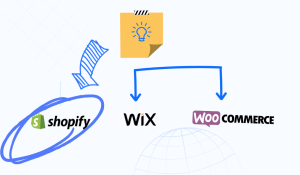
Whether you’re running an e-commerce store on WooCommerce, Shopify, or a custom website, Paystack has easy plug-and-play integrations. It also offers developer-friendly APIs for more customized setups.
4. Secure & Reliable
Paystack is PCI-DSS compliant and offers fraud detection tools, real-time monitoring, and strong encryption, giving both businesses and customers peace of mind.
5. Perfect for Small Businesses & Creators
From fashion brands in Accra to digital service providers in Lagos, Paystack is ideal for small businesses, freelancers, creators, and even NGOs looking to collect donations.
In short: If you’re in Africa and are looking for an alternative to Stripe, Paystack gives you all the essential tools to run a successful online business, with local support, too.
Conclusion
Whether you’re launching your first online store or expanding your service-based business across Africa, having a reliable payment gateway is non-negotiable. Stripe may dominate globally, but its limited access across Africa makes it difficult for local entrepreneurs to benefit fully.
That’s where Paystack comes in. As more local entrepreneurs look for reliable ways to receive payments globally, Paystack is proving to be the most practical and accessible Stripe alternative for African businesses. Built by Africans for Africans, with tools that actually work in our context. It supports local currencies, mobile money, and integrates easily with popular platforms like WooCommerce and Shopify. It’s also backed by Stripe, so you get the best of both worlds: global technology, local support.
As African businesses continue to grow and go digital, choosing the right payment partner will make all the difference. And for now, Paystack is leading that charge.
Frequently Asked Questions (FAQ)
Stripe is only fully available in a few African countries like South Africa. Most other countries like Ghana and Nigeria cannot use it directly yet.
Paystack supports local payment methods like mobile money, bank transfers, and local cards. It also integrates easily with popular platforms and has local customer support.
Yes, Paystack is PCI-DSS compliant and uses advanced security protocols to protect transactions and customer data.
Absolutely. Paystack offers official plugins and APIs for both platforms, making integration smooth and beginner-friendly.